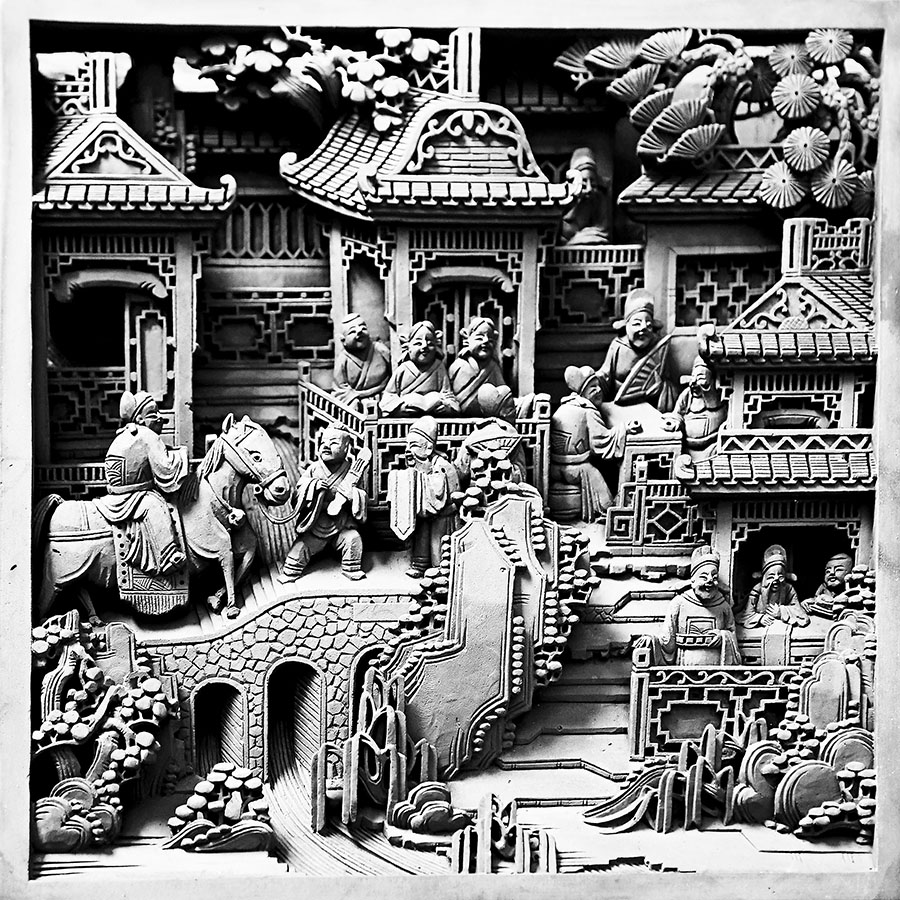
Three Carvings in Huizhou
Introduction
The "Three Carvings in Huizhou" refer to the remarkable art of wood, brick, and stone carvings that have become an integral part of Huizhou's cultural and architectural identity. This distinctive craft dates back over 1,000 years and has been a crucial component of Huizhou buildings since the Ming Dynasty (1368-1644). Known for their elegance and exquisite detail, these carvings have been recognized as a national intangible cultural heritage in China since 2006. The unique blend of wood, brick, and stone carvings has contributed significantly to the architectural beauty of Huizhou, distinguishing its buildings with intricate decor that reflects historical and cultural narratives.
History
The art of the "Three Carvings" has deep roots in the cultural history of Huizhou, a region historically known for the prosperous Huizhou merchants. During the Ming and Qing dynasties, Huizhou's merchants were highly regarded for their honesty and morality. Due to the mountainous terrain, many residents left to pursue business ventures, often returning to construct homes for their retirement. Limited by land availability, they enhanced the interior decoration of their homes with luxurious carvings, showcasing their wealth and success. This tradition fostered the development of the three carvings, with wood carving becoming the most prominent among them. These carvings not only embellished residential buildings but also became integral to temples and memorial arches, symbolizing both cultural beliefs and personal aspirations.
Techniques
Wood Carving
Wood carving in Huizhou is renowned for its simplicity, characterized by smooth lines and intricate, yet modest, techniques. This art form allows for a delicate expression of beauty, aligning with the cultural aesthetics of the region. Huizhou wood carvings are often employed in architectural elements such as beams and window frames, depicting auspicious patterns and narratives that reflect the evolving artistic appreciation of the people. Crafting these intricate details requires experience and intuition, as artisans restore or create carvings that tell cultural stories and familial aspirations.
Brick Carving
Huizhou brick carving is distinguished by its multilayered technique, which creates a three-dimensional effect that adds depth and dynamism. Known for its layered construction, brick carving adorns the entrances of ancient residences, signifying the social status of the homeowners. The technique was perfected over centuries, allowing artisans to create vivid depictions that transcend flat, two-dimensional presentations. This craft has continued to evolve, with artisans like Wu Zhenghui pioneering the recreation of lost techniques, such as the nine-layered carvings, demonstrating a commitment to preserving the heritage of Huizhou brick art.
Stone Carving
Stone carving in Huizhou typically complements the architectural elements of pillars, temples, and memorial arches. Known for its durability and strength, stone carving adds a foundational elegance to buildings. The intricate designs often depict historical narratives and familial values, with artisans employing meticulous methods to capture the essence of local culture. Stone carvings are prevalent in ancestral temples and serve as enduring symbols of filial piety and devotion, reflecting the deep-seated cultural values of the Huizhou people.
Cultural Significance
The "Three Carvings" are more than mere architectural embellishments; they are cultural symbols that encapsulate the aspirations, values, and stories of the Huizhou people. These carvings serve as historical records, conveying messages of prosperity, morality, and familial devotion. Each carving is unique, tailored to reflect the emotions and desires of the creators and owners. They transform buildings into spiritual sanctuaries, offering insights into the homeowners' mindsets and the broader societal values. The carvings also play a significant role in preserving the cultural legacy of Huizhou, acting as a bridge between past traditions and contemporary interpretations.
Geographic Distribution
The geographic distribution of the "Three Carvings" is concentrated in the Huizhou region, which historically encompassed parts of modern-day Huangshan and the surrounding areas in Anhui and Jiangxi provinces. The mountainous terrain and architectural style of the region influenced the development and spread of these carving techniques. Huizhou-style buildings, characterized by their intricate carvings, can be found in various historical neighborhoods and villages, such as Chengzhi Hall in Yixian County and other notable sites. These areas continue to attract visitors and artisans alike, drawn by the rich heritage and artistic beauty of the traditional carvings.
Preservation and Conservation
Efforts to preserve and conserve the "Three Carvings" are crucial in maintaining the cultural heritage of Huizhou. Artisans like Yu Youhong and Kuai Zhenghua play pivotal roles in restoring ancient buildings and carvings, ensuring the survival of these crafts for future generations. Preservation projects often involve detailed detective work, requiring experience and a deep understanding of historical narratives to accurately restore missing or damaged parts. The dedication of both artisans and preservationists has been instrumental in safeguarding these cultural treasures, allowing them to be appreciated by both locals and visitors from around the world.
Influence on Art and Architecture
The influence of the "Three Carvings" extends beyond Huizhou, inspiring art and architecture throughout China and internationally. The craftsmanship and aesthetic principles of Huizhou carvings have been incorporated into pseudo-classic buildings, cultural heritage projects, and modern architectural designs. The intricate techniques and artistic expressions found in Huizhou carvings continue to inspire contemporary artisans and architects, who draw on these traditional elements to create new interpretations and adaptations. The enduring appeal of the "Three Carvings" highlights their significance as a source of artistic inspiration and cultural identity.
Modern Adaptations
Modern adaptations of the "Three Carvings" reflect a blend of traditional craftsmanship with contemporary innovations. Artisans are exploring new materials and techniques to revitalize this ancient craft, ensuring its relevance in today's cultural landscape. These adaptations often involve the use of modern tools and technologies to enhance the precision and creativity of the carvings. Additionally, the integration of carving elements into modern architecture and interior design demonstrates the continued appreciation and demand for Huizhou-style aesthetics. These efforts not only preserve the tradition but also breathe new life into the cultural heritage of Huizhou.








